
Requirements
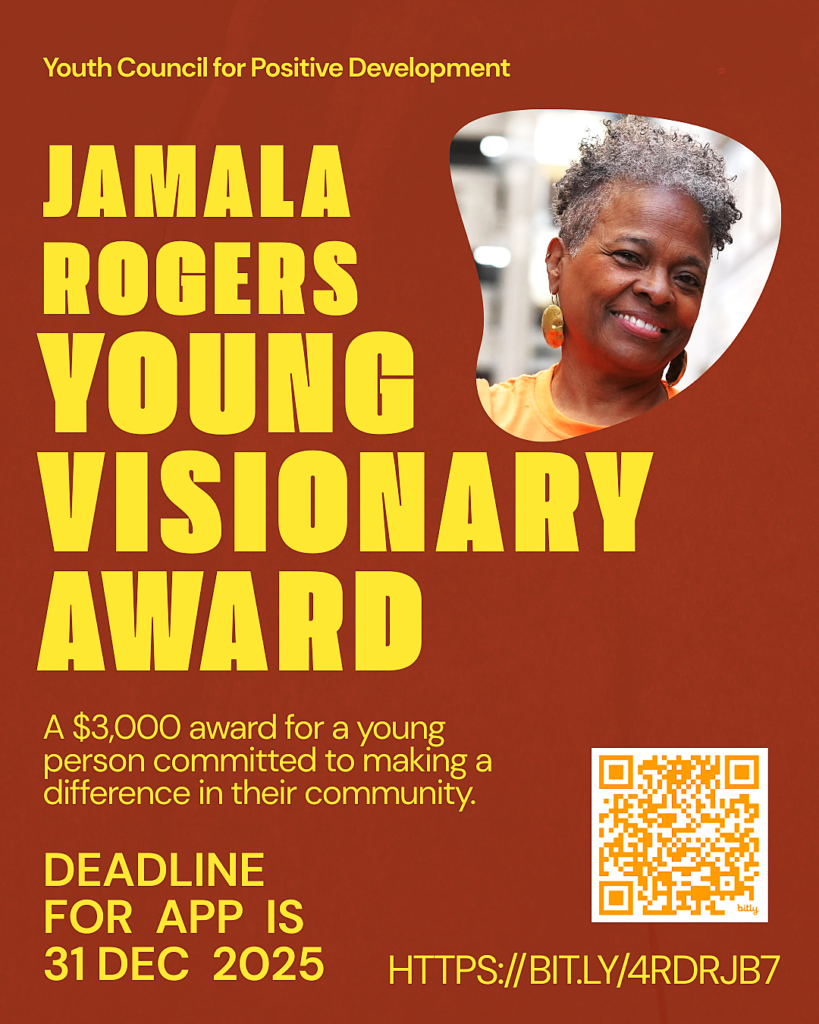
- Applicant must submit a 500-750-word concept paper/video about their vision
of social justice and a project they initiated or participated in that brought about
fundamental change for a specific population or neighborhood. Elaborate on
why youth are important as change agents. - A letter is required from an adult associated with the program or project who
can confirm the applicant’s involvement and their impact. - The application package can also include photos, news clippings, etc., that document the project.
Possible Ways to Utilize the Monetary Award
- Special project or campaign
The selected recipient can apply the monetary award to a special project that the applicant will undertake to address a problem. A project overview must be included. This could be a community campaign, a video about an issue, etc. - Towards tuition or other expenses The monetary award will be made directly to the institution that the applicant is already enrolled in or will enroll in the
next academic semester. This could be a vocational school, university, etc. - The selected recipient can use the monetary award to attend a leadership development or organizing training, enhancing their effectiveness as a change agent. The award will be paid directly to the training organization and must be used within one year.
The deadline for applications is December 31, 2025. The application must be mailed to PO Box 5277, St. Louis, MO 63115, or emailed to ycpd.stl@gmail.com.
Upcoming Events

NMC Ribbon Cutting & Community Open House – 2/27/2026
Friday, Feb 27 from 3:30 pm to 6:30 pm CST
Celebrate the grand opening of the Northside Movement Center, the new shared home for Action St. Louis & ArchCity Defenders!
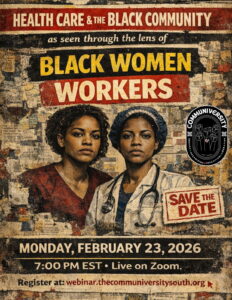
Health Care & The Black Community as seen through the lens of Black Women Workers – 2/23/26
ISSUES OF THE BLACK COMMUNITY: SEEN THRU THE LENS OF BLACK WOMEN WORKERS
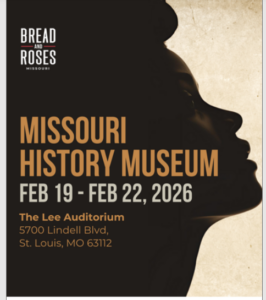
Bread & Roses Missouri – 2/19 – 2/22/26
Experience the untold story of the 1933 Funsten Nutpickers Strike in St. Louis. Black women, facing low wages, unsafe conditions, and Jim Crow segregation, organized over 2,000 workers across five factories. With a brick in one hand and a bible in the other, their bold act of solidarity positioned St. Louis at the intersection of workers’ and civil rights.
Get Updates