
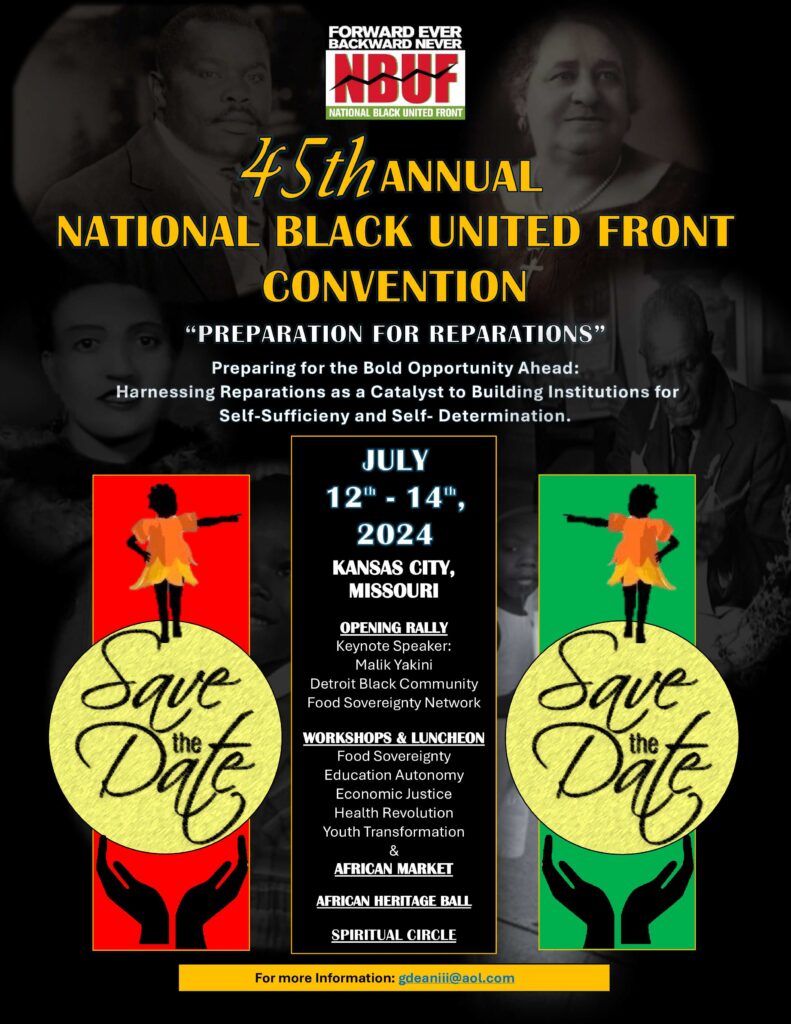
The opening session on Friday, July 12, 2024 will be held at Robert J Mohart Center and welcomes Malik Yakini, a “Change-maker” in the Food Sovereignty space in Detroit, Michigan. Malik is leading by example with the creation of the Detroit People’s Food Co-op, a Black-led and community-owned grocery cooperative focused on improving access to healthy food and food education residents of Detroit, Michigan. Malik will share the Philosophy of Food Sovereignty during the FREE opening rally from 7:00-9:00 PM.
Convention sessions on Saturday, July 13, 2024 will be held at Bruce R. Watkins Cultural Heritage Center. Session topics include food sovereignty, economics and health care. There will also be youth focused programming throughout the day. The convention will also feature an African Market organized by the Buy Black Empowerment Initiative that will feature several African-American owned businesses. Saturday events will culminate with the African Heritage Ball from 7:00 p.m. until 11:00 p.m. at the Industrial Event Space located at 1670 East 63rd Street. The ball will feature live entertainment, cultural cuisine, and dancing within a mature audience atmosphere. Come network while strutting your stylish African attire or evening wear.
The convention wraps on Sunday, July 14, 2024 with a Spiritual Circle at the Laya Center 1814 Oak. This session offers an opportunity for shared meditation through ritual.
Upcoming Events

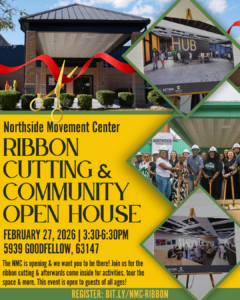
NMC Ribbon Cutting & Community Open House – 2/27/2026
Friday, Feb 27 from 3:30 pm to 6:30 pm CST
Celebrate the grand opening of the Northside Movement Center, the new shared home for Action St. Louis & ArchCity Defenders!
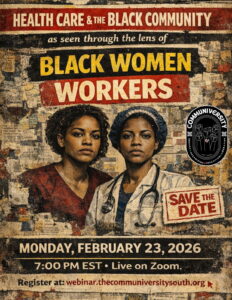
Health Care & The Black Community as seen through the lens of Black Women Workers – 2/23/26
ISSUES OF THE BLACK COMMUNITY: SEEN THRU THE LENS OF BLACK WOMEN WORKERS
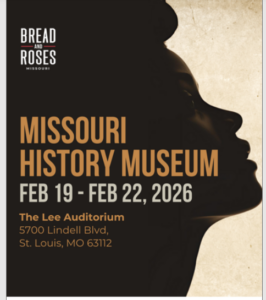
Bread & Roses Missouri – 2/19 – 2/22/26
Experience the untold story of the 1933 Funsten Nutpickers Strike in St. Louis. Black women, facing low wages, unsafe conditions, and Jim Crow segregation, organized over 2,000 workers across five factories. With a brick in one hand and a bible in the other, their bold act of solidarity positioned St. Louis at the intersection of workers’ and civil rights.
Get Updates