
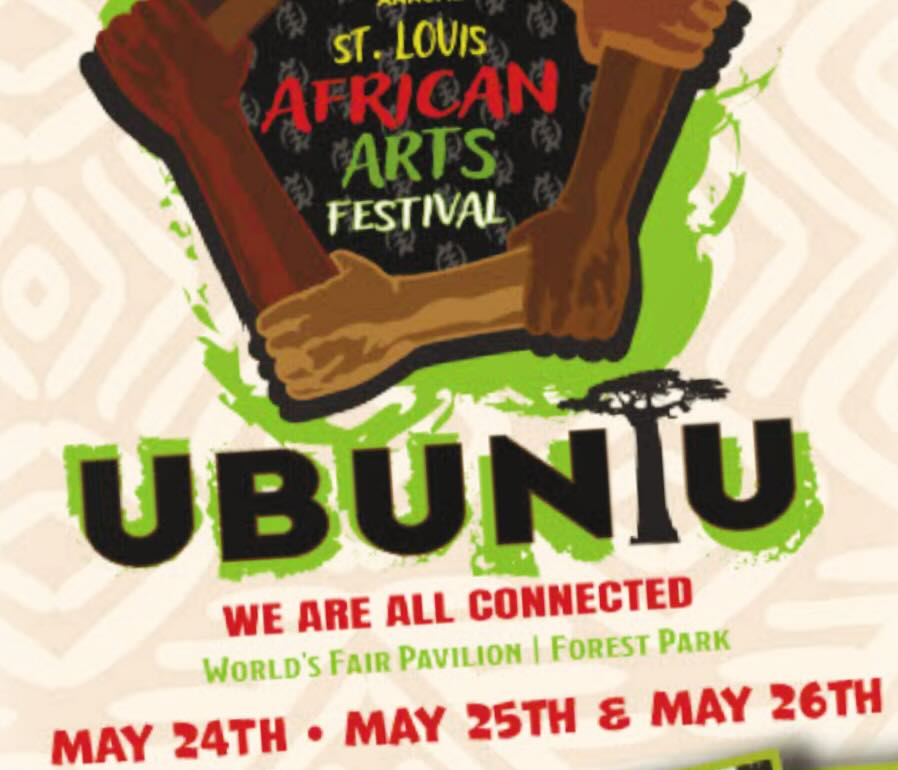
- May 24 - May 26, 2025
- World's Fair Pavilion - Forest Park - 1904 Concourse Drive St. Louis, MO, 63110 United States
-
Saturday, May 24 | 10am - 8pm
Sunday, May 25 | 11am - 8pm
Monday, May 26 | 10am - 6pm
The first St. Louis African Arts Festival was held in 1991 as an outgrowth of the 34th Annual African Studies Conference hosted by Washington University. A year prior to the conference, a group of academic, business, and community leaders came together to explore ways in which a forum could be established that would bring the diverse community of St. Louis together for the purpose of learning and celebrating the rich and diverse cultures of African and African American people. The mission of the festival is to increase the awareness of the global contributions of African people and people of African descent have made through art, cultural, and educational programs.
The St. Louis African Arts Festival is held in beautiful Forest Park. Each year the festival attracts a diverse audience of thousands of local residents and out-of-town visitors during the Memorial Day weekend. The Festival draws the community together in celebration of the rich contributions of Africa and the African Diaspora (diaspora–people settled far from their ancestral homelands). The annual event enjoys partnerships with major local cultural institutions as the Saint Louis Art Museum, the Saint Louis Zoo, the Missouri History Museum, the St. Louis Public Library, the Muny, and Washington University in St. Louis.
Upcoming Events

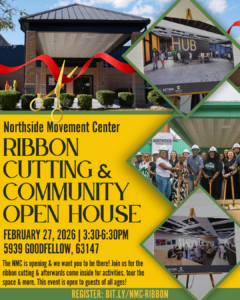
NMC Ribbon Cutting & Community Open House – 2/27/2026
Friday, Feb 27 from 3:30 pm to 6:30 pm CST
Celebrate the grand opening of the Northside Movement Center, the new shared home for Action St. Louis & ArchCity Defenders!
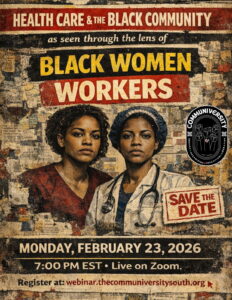
Health Care & The Black Community as seen through the lens of Black Women Workers – 2/23/26
ISSUES OF THE BLACK COMMUNITY: SEEN THRU THE LENS OF BLACK WOMEN WORKERS
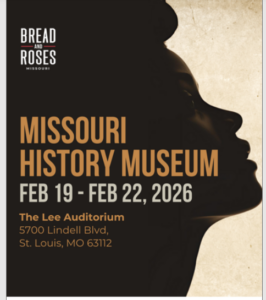
Bread & Roses Missouri – 2/19 – 2/22/26
Experience the untold story of the 1933 Funsten Nutpickers Strike in St. Louis. Black women, facing low wages, unsafe conditions, and Jim Crow segregation, organized over 2,000 workers across five factories. With a brick in one hand and a bible in the other, their bold act of solidarity positioned St. Louis at the intersection of workers’ and civil rights.
Get Updates