Coming out of jubilant Juneteenth celebrations, most Black people in the U.S. are feeling far less celebratory towards the 4th of July in 2026. We have been challenged by the racist whitelash from the post-Obama administration and a brutal wave of repression by the Trump regime. The anti-Black policies of MAGA have meant erasure of our history, culture, and our very existence.
Black people, whether they are descendants of enslaved or free African people, have a lot to reflect on. Slavery has often been called the “original sin” of the U.S., but that negates what white settlers did to the land, culture, and lives of the Indigenous peoples. The extraction of land and genocide preceded slavery. There are sad, but powerful, comparisons that require our remembrance and attention.
Before Christopher Columbus set his colonial foot on these shores in 1492, an estimated 90 million native people thrived here-as they had for thousands of years. Currently, there are about seven million people, the majority of whom are mixed race and living outside of Indian reservations. The genocide is real. The high incidence of substance abuse and suicide is real.
Both Native Americans and African Americans have endured the deception and lies of the U.S. government. Both have experienced forced relocations and the extinction of settlements/neighborhoods. Depending on our relationship with a particular tribe, the Afro-Indigenous history was complicated. Our two historic relationships with white people have also been complicated. Natives may have been demonized as savages, but they were never chattel slaves. Both our peoples have fought valiantly for generations against white supremacy and capitalist exploitation. We have fought-sometimes in solidarity – for freedom, land, and dignity.
I encourage Black individuals to constantly evaluate our relationship with those who have oppressed us, regardless of how normalized it may seem. If we are to have a sobering forecast of the future, it must always start with our past. Our ancestors gifted us with the concept of Sankofa, which translates to “go back and get it.” This means that we must examine the past to inform, build, and guide our future.
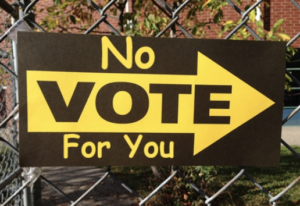
Part of why Black folks are in the straits we are in is because we have taken the U.S. government at its word. We have ignored the broken promises to native peoples, and even those made to our own people. Despite laws on the books, Black people have lost land, sacred institutions, and intellectual property. We’ve seen the erosion of civil rights, including the coveted right to vote, pushing us to the bottom of the economic ladder, and in general, making our lives unbearable.
Some experts predict that, given the current trajectory, this country may not survive another 250 years. Black people have contributed significantly to this nation, making undeniable sacrifices that have strengthened its moral, political, cultural, and economic fabric. To preserve this struggling democracy, our path forward must be fundamentally different.
Will we be full-fledged citizens in the next 10, 25, or 50 years? Black people have shown remarkable resilience and strength in the face of brutal adversity. We need to reflect on our own history in this country, as well as the histories of other people of color, and assess our determination to fight for better outcomes. Our future generations certainly do not deserve the inhumane conditions we face today.